







Search Results for: youth consumption
How did Luckin Coffee's store scale overtake Starbucks? Deconstructing its hit-product strategy and youth-oriented operational logic
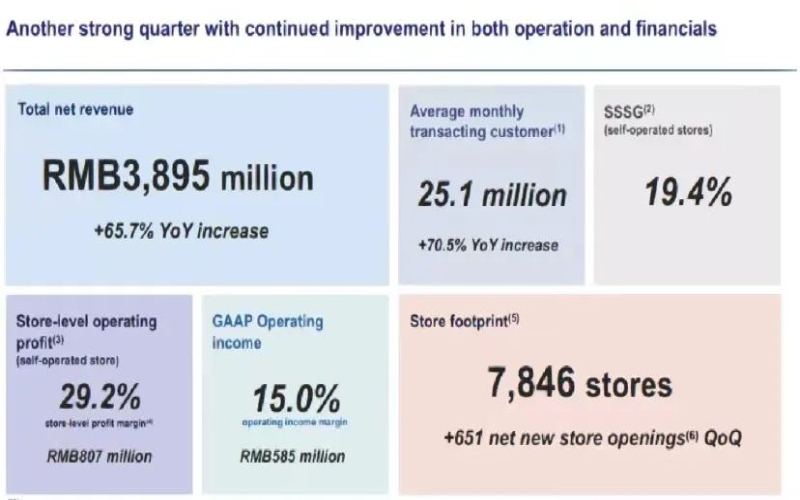
In the third quarter of 2022, Luckin Coffee delivered a remarkable report card: its total store count reached 7,846, surpassing Starbucks in one stroke to become the brand with the largest number of chain coffee stores in China. From filing for bankruptcy protection to completing its turnaround, Luckin took only a little more than a year. Behind this was not only the sustained pull of hit products such as coconut latte and cheese latte, but also the combined efforts of social media marketing, reverse holiday co-branding, refined user operations, and a youthful R&D team. This article will analyze Luckin's store data, product logic, marketing tactics, and user strategy, while also exploring the significance of the affordable chain model for the popularization of coffee consumption in China. For readers who follow developments in the coffee industry, Luckin's path to breaking through is undoubtedly a sample worth studying. [more…]
Behind the coffee crossover craze: Why are big brands rushing in, and how far can following the trend go?
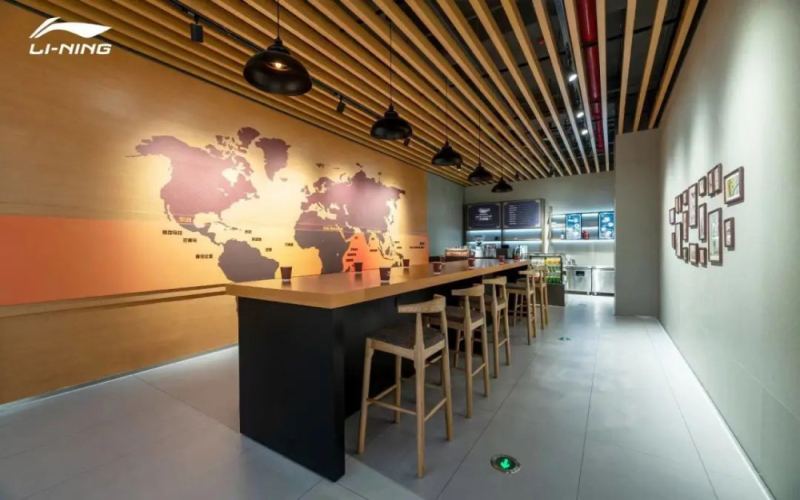
In recent years, major brands across all industries have been venturing into the coffee sector—from the post office, Li-Ning, and Xtep to Naobaijin and Huawei, cross-industry coffee sales have become a trend. These brands don't truly intend to dig deep into the coffee track; rather, they are eyeing the youthful traffic and fashionable attributes that coffee naturally carries, using it to get closer to consumers. However, once the hype fades, can cross-industry players lacking a coffee gene continue to attract customers? The fierce competition in the coffee market and the mismatch of consumption scenarios make such attempts full of uncertainty. This article sorts out typical cases of cross-industry coffee, analyzes the marketing logic behind them, and explores the challenges and hidden concerns this model faces. [more…]

Study Finds: Regular Coffee Consumption May Help Delay Muscle Aging, Triglycerides Become Key Component
Besides waking you up, coffee may also bring unexpected benefits for muscle health. A latest study jointly conducted by research institutions in Switzerland, Singapore, the United Kingdom and other countries shows that trigonelline, a natural plant alkaloid in coffee, can boost NAD⁺ levels in the body and improve mitochondrial function, thereby helping to maintain muscle strength and slow age-related muscle degeneration. Published in a Nature sub-journal, the study offers coffee lovers a new health perspective. However, the researchers also caution that coffee is only a supplementary aid—balanced nutrition and regular exercise are fundamental to keeping muscles strong. [more…]
Nestlé Enters the Tea-Coffee Arena with an Onmyoji Collaboration: Can Three New Products Crack the Youth Market?
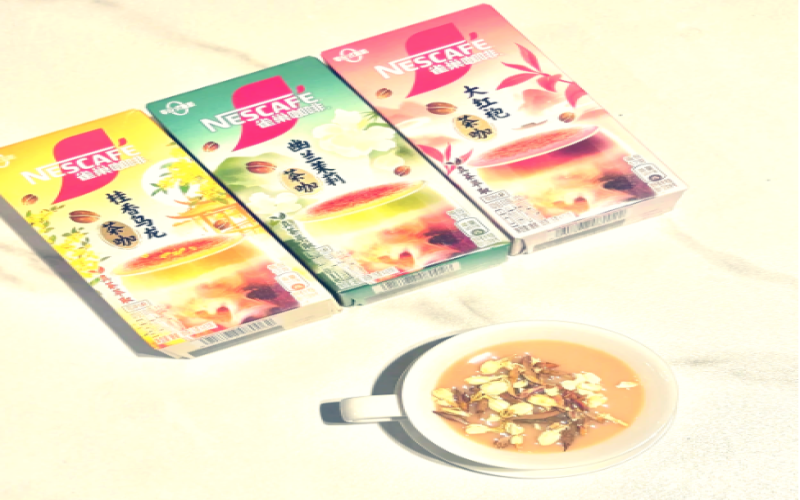
Currently, China's beverage industry is witnessing an intriguing cross-boundary phenomenon: tea drink companies want to enter the coffee sector, while coffee companies try to grab a share of the milk tea market. At the intersection of tea and coffee, a new category is being born—tea-coffee. As a global coffee industry giant, Nestlé, facing pressures such as the continuous contraction of the instant coffee market and brand aging, launched a special tea-coffee series in July this year, featuring three flavors: orchid jasmine, osmanthus oolong, and da hong pao. Three months after its launch, Nestlé teamed up with the Onmyoji mobile game for cross-boundary marketing, attempting to extend from young people's first cup of coffee to their first piece of merchandise. How has the market responded to this drink that combines caffeine and tea polyphenols? And why has the co-branded merchandise received such high praise? This article provides a detailed analysis. [more…]

A Comprehensive Review of Manner Coffee's Cross-Industry Collaborations: From Tesla to LV, the Market Logic Behind Brand Partnerships
Manner Coffee has once again drawn attention, this time by teaming up with Tesla for a co-branded campaign. As a recognized master of collaborations in the coffee world, Manner's cross-industry footprint has already covered automobiles, luxury goods, beauty, sports, and many other sectors. From NIO to LV, from Helena Rubinstein to Allbirds, each partnership has precisely captured the brand tone, creating a win-win of both buzz and sales. This article will review Manner's major co-branding cases over the years, analyze the brand strategy and consumer psychology behind its success, and include professional information recommendations from Front Street Coffee. [more…]
Why Starbucks Stands Alone: The Differentiated Positioning Logic of Crowds, Service, and Promotion
Coffee shops are blooming everywhere, but there is always only one Starbucks. Its success is not accidental, but stems from a set of positioning logic completely different from traditional cafes. This article dissects, from three dimensions—crowd targeting, service strategy, and promotion methods—how Starbucks precisely locks onto the white-collar group, how it uses space and equipment design to accelerate customer flow, and how it places its marketing focus on brand image rather than the product itself. At the same time, it analyzes the real implementation of the "third place" concept in the Chinese market, and how this concept has trapped many local coffee shop owners in operational difficulties. For coffee enthusiasts and industry practitioners, understanding Starbucks' atypical path helps to rethink the survival logic of coffee brands. [more…]

Under the cross-industry beverage trend, the boundary between coffee and milk tea is becoming increasingly blurred, and a blind taste test reveals that nearly half of consumers struggle to tell them apart accurately.
These days, walking into any beverage shop, the variety on the menu is always dazzling. Boba shops are selling porridge, cafes surprisingly offer lemon tea, and industry competition has long entered a white-hot stage. More noteworthy is that the boundary between coffee and milk tea is being continuously broken: oats, fermented rice, thick milk, and osmanthus are all being added to coffee, the traditional bitter taste is weakened, and the flavor is moving closer to milk tea. A science blogger on Weibo once organized a blind test, asking participants to distinguish between coffee and milk tea with similar flavors, and surprisingly nearly half of the people could not accurately tell them apart. Coffee's localization and youth-oriented strategies, the migration of childhood milk tea memories, and various novelty pairings have jointly driven this trend. This article takes you to explore the phenomenon of coffee becoming more like milk tea and the logic behind it. [more…]
Why do Chinese people prefer milk tea over coffee? Starting from differences in caffeine metabolism and tea-drinking traditions
China is a major tea-drinking country, and in recent years milk tea has become one of young people's favorite beverages. Coffee and milk tea both contain caffeine, yet Chinese people's preferences for the two differ markedly. Behind this lie factors ranging from genetic metabolic capacity to the low-caffeine habit formed by Chinese people's long history of tea drinking, occupational structure, and differences in how income groups rely on stimulants versus sugar. This article will analyze, from the angles of caffeine content, metabolic genes, tea-drinking tradition, and workplace consumption data, why Chinese people favor milk tea over coffee, and explore the potential health risks of excessive caffeine intake. [more…]

Nighttime coffee consumption is gradually becoming a new trend: coffee night markets are on the rise, and evening hours have become the main revenue driver for shops.
In the past, people used to drink coffee during the day and avoid caffeine at night to prevent it from affecting their sleep. However, as the coffee-drinking crowd continues to grow, a night coffee culture of drinking later and later is quietly emerging among young people. On a commercial street in Guangdong, 14 coffee shops of different styles are clustered within less than a hundred meters. After 9 p.m., every seat is taken, and the bustle is no less lively than a food night market. Some stores stay open until the early morning or even operate 24 hours without closing, and revenue from 8 p.m. to the early morning can account for more than 70 percent of the whole day's sales. This "small shop + outdoor" business format satisfies both the essential daytime demand and the nighttime social scenario, and also offers boutique coffee shops a new way to seek growth amid fierce competition. [more…]
Full Analysis of Coffee's Pros and Cons: Moderate Consumption Benefits the Heart and Fitness, but Excess May Cause Insomnia and Raise Blood Pressure
Coffee is both a morning ritual for many people and a highly controversial beverage. Scientific research shows that moderate coffee consumption protects the heart, boosts metabolism, and can even be a great helper before and after workouts. However, excessive caffeine intake can lead to elevated blood pressure, insomnia, and even tachycardia. This article sorts out ten key truths about coffee, from caffeine content comparisons to the hidden ingredients in decaffeinated coffee, and from how roasting methods affect flavor, helping coffee lovers enjoy every cup more rationally. Whether you prefer the rich body of Front Street Coffee or the delicate elegance of green tea, understanding these facts will help you drink more knowingly. [more…]

Luckin Coffee's 2022 Financial Report Turns Profitable: A Review of Key Strategies from Financial Turmoil to Counter-Trend Growth
In 2022, Luckin Coffee delivered a surprising report card: total net revenue for the year reached 13.293 billion yuan, and operating profit turned positive for the first time. From a record-breaking Nasdaq listing, to delisting due to financial fraud and a top-management reshuffle, and then to completing debt restructuring and returning to profitability, this brand's journey has been more twists and turns than a TV drama. Under the double squeeze of the pandemic's impact and debt pressure, what did Luckin rely on to turn things around? This article will sort through its pace of store expansion, coupon strategy, hit-product logic, launch speed and pricing, franchising and lower-tier market layout, as well as key moves such as signing endorsements and youth-oriented marketing, to reconstruct a more complete path of Luckin's recovery. [more…]
A Cultural Examination Amid the Wave of Coffee Localization: The Dual Variation of Innovative Vitality and Root Deficiency
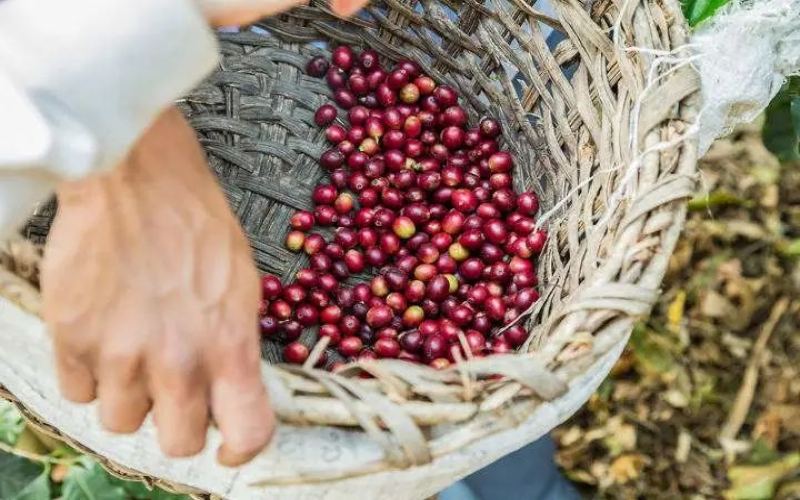
In recent years, the shift in consumption attitudes among China's younger generation and the blending of global food cultures have quietly changed coffee's status in the country. Chain brands have brought coffee from a light luxury into daily life, specialty coffee culture has rapidly spread with the help of local forces, and Yunnan coffee beans have moved from obscurity to popularity. What followed is a trend of coffee's "Sinicization"—from stewing and extraction to serving in tea bowls, from youtiao and jianbing to rice wine and Moutai, coffee is putting on a Chinese-style coat. Yet is this localization a school worth passing down, or a fleeting trend lacking roots and soul? This article will explore the innovative surface and inner deficiencies of Chinese-style coffee, and consider how coffee culture can truly take root in China. [more…]

Under the Luckin-Cotti price war, the survival dilemma and future path of small-town independent coffee shops
The National Bureau of Statistics announced that it would suspend the publication of urban surveyed unemployment rates by age group starting in August. Previously, the youth unemployment rate reached as high as 21.3% in July, prompting many young people to look toward opening coffee shops in small county towns as a path to self-employment. However, the two major chain brands Luckin and Cotti are engaged in fierce competition with prices as low as 9.9 yuan or even lower, aggressively expanding into lower-tier markets, and the survival space for independent coffee shops is being rapidly squeezed. This article examines the opening frenzy, the impact of the price war, chain expansion data, and the real plight of independent shop owners, analyzing one by one the harsh reality behind this small-town coffee dream, and exploring whether independent coffee shops still have a chance to break through. [more…]
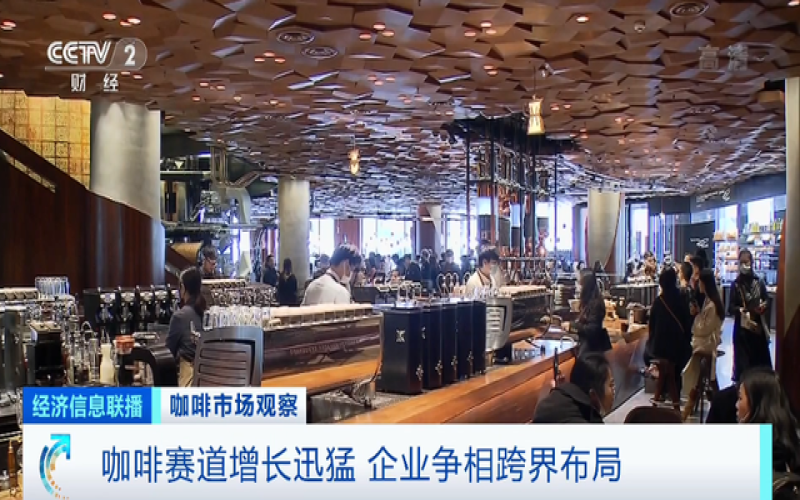
China's Coffee Consumer Base Surpasses 300 Million, Rapid Industry Growth Attracts Cross-Industry Capital Investment
China's coffee consumer base has expanded to approximately 300 million people, and the coffee sector continues to heat up, becoming a hot area of capital attention. At present, the number of coffee-related enterprises nationwide has reached 166,000, with more than 22,000 newly registered enterprises in the first nine months of 2022 alone, a growth rate of 36.4%. Surveys show that more than 90% of consumers have increased their favorability toward coffee products incorporating Chinese-style flavors. From instant and freshly ground to ready-to-drink, the three major categories each have their own advantages, among which freshly ground coffee has the greatest growth potential, with its market size expected to reach 190 billion yuan in 2024. Giants from various industries such as Li-Ning, China Post, and Huawei have entered the market across sectors, and the coffee industry is ushering in change, with young consumers gradually becoming the main force. [more…]

How to Run a Coffee Shop After the Pandemic? Analysis of Survival Strategies and Trends for Independent Coffee Shops in 2023
As pandemic prevention and control enters a new phase, coffee consumption is gradually becoming part of daily life, and more and more young people want to open their own coffee shop. Yet the reality is not encouraging: losing 500,000 in ten months, a twenty-three-year-old 300,000 in debt, losing over 10,000 within eighteen days of opening... These cases remind us that passion alone is far from enough. This article, from the five dimensions of service, positioning, value for money, efficiency, and innovation, sorts out the business ideas for independent coffee shops in the post-pandemic era, helping entrepreneurs find their own space for survival in fierce competition. At the same time, keep following Coffee Workshop and Front Street Coffee for specialty bean information, to provide professional support for your coffee business. [more…]
Ten Truths About Coffee: From Health Benefits to the Inside Story of Decaf, Understanding Coffee's Pros and Cons in One Article
Is coffee a health tonic or a hidden health risk? Opinions vary widely on this question. Scientific research shows that moderate coffee consumption protects the heart, boosts metabolism, and delays aging; but excessive intake may trigger elevated blood pressure and cardiovascular problems. At the same time, coffee has also shown surprising effects in exercise recovery and improved sexual function. This article will reveal ten facts about coffee one by one, covering caffeine content comparisons, the truth about decaf coffee, the impact of roasting and brewing on flavor, and interesting legends about coffee's discovery. Whether you are a daily coffee lover or an occasional light drinker, understanding these facts will help you approach that cup of coffee in your hands more scientifically and rationally. [more…]

Why has temple coffee become a new favorite among young people? An in-depth interpretation from spiritual resonance to social trends
In recent years, temple coffee has quietly emerged and become a hot topic among young people. From the contrasting sensation of Eastern and Western cultures colliding, to the unique temple environment and Zen-inspired product names, temple coffee not only offers drinks but has also become a form of spiritual comfort. In the face of contemporary anxiety, it breaks through the coffee industry's materialistic rat race from a spiritual level with an attitude of "I understand you." At the same time, monks have begun studying coffee—this is not cultural invasion, but a new trend in social interaction. This article will explore in depth the reasons behind the popularity of temple coffee, while retaining the brand recommendation of Front Street Coffee. [more…]
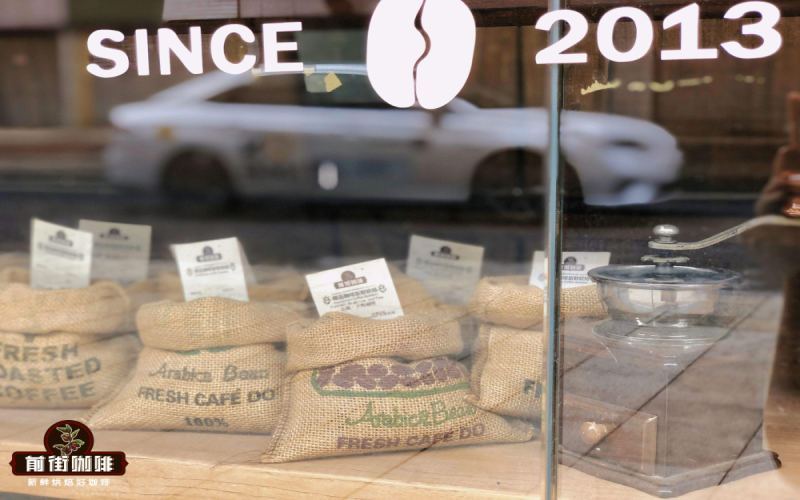
Yunnan Coffee Varieties and Flavor Analysis: Is Arabica Really Catimor?
Yunnan coffee has attracted much attention in recent years, but many people still have questions about its varieties and flavors. This article sorts out the three waves of coffee cultivation in Yunnan, from its introduction to its rise, with a focus on explaining the relationship between Catimor and Typica, as well as the origin of the name "Yunnan small-bean coffee." At the same time, Front Street Coffee has established its own estate in Lincang to grow Typica, using sun-drying processing and medium roasting, presenting citrus, berry, and caramel sweetness. Whether you are new to Yunnan beans or want to gain a deeper understanding of their varietal evolution, this article can provide a clear professional perspective. [more…]

Guming's overalls cup sleeve goes viral on social media: young people's new favorite and a buying frenzy
The overalls-shaped cup sleeve launched by Good Me quickly went viral on social platforms. This double-pack cup sleeve can both hold drinks and dress up dolls, sparking a frenzy among young people. The campaign covered some stores in Hunan, Guangzhou, Shenzhen, Dongguan, Foshan, Hangzhou, and Shandong. Many consumers outside the campaign areas placed cross-city orders through the mini-program or contacted stores to arrange mail delivery. Although there are practical issues such as thin material and shallow pant legs, Good Me's creative marketing on peripheral cup sleeves once again proves the brand's precise grasp of young consumers' psychology. This article will walk you through the rise to fame of this overalls cup sleeve, real consumer feedback, and Good Me's continued exploration in cup sleeve marketing. [more…]
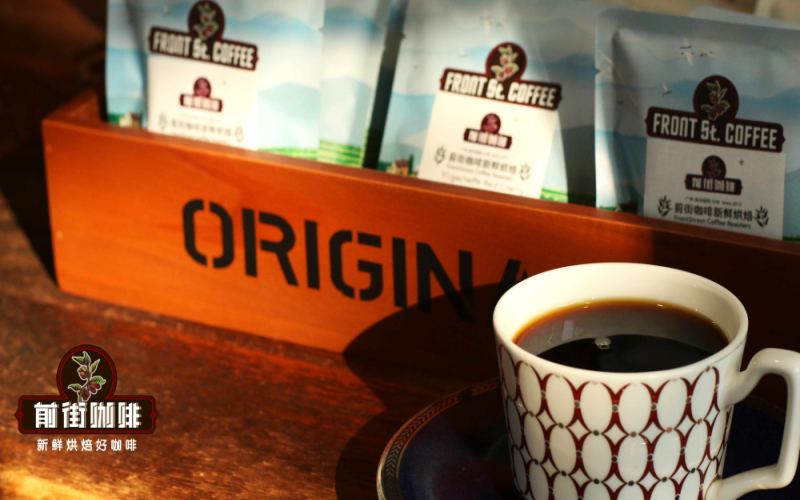
A Complete Analysis of Yunnan Coffee Bean Varieties and Flavors: The Acidity and Bitterness Characteristics of Small-Bean Black Coffee and Its Connection to Typica and Catimor
云南是中国大陆咖啡种植的发源地,从1904年朱苦拉村的第一棵咖啡树,到如今精品化浪潮下的品种革新,这片土地孕育了独特的风味谱系。本文系统梳理云南咖啡的品种演变——从早期铁皮卡到卡蒂姆的兴替,解析小粒咖啡的酸苦特性,并追溯三波种植浪潮的历史脉络。同时,前街咖啡在临沧自家庄园种植的日晒铁皮卡,以柑橘莓果调性、焦糖甜感和红茶余韵,展现了云南精品咖啡的纯粹风味。无论你是想了解云南小粒黑咖啡究竟是苦是酸,还是寻找值得一试的云南豆,这篇文章都将提供完整的答案。 [more…]